The full explainer
This explainer comes from Branding 101, a workshop Yohji Alexander Kanki led in Muscat, Oman, on 15 November 2026. It followed Your AI Film Toolkit, the Muscat AI Film Festival (MAIFF) workshop held the day before in partnership with Google DeepMind, where Paige Bailey, Developer Relations Lead at Google DeepMind, ran a generative media hackathon and Yohji gave his talk Taste over tools. The rooms mixed students, filmmakers, founders and government teams, so this is written for anyone, not only people who work in marketing.
What is branding, in one word?
Reputation. Marty Neumeier, author of The Brand Gap, puts it in a line that every branding class repeats for good reason:
A brand is not what you say it is. It's what they say it is.Marty Neumeier
So branding is a feeling: what people feel about a company, a product, a person or a place. That feeling is built from four things they experience:
- How you look: your space, your packaging, your visuals.
- How you sound: your voice, your words, your tone.
- How you make people feel: welcomed, impressed, ignored, rushed.
- What you do: your actions, especially when something goes wrong.
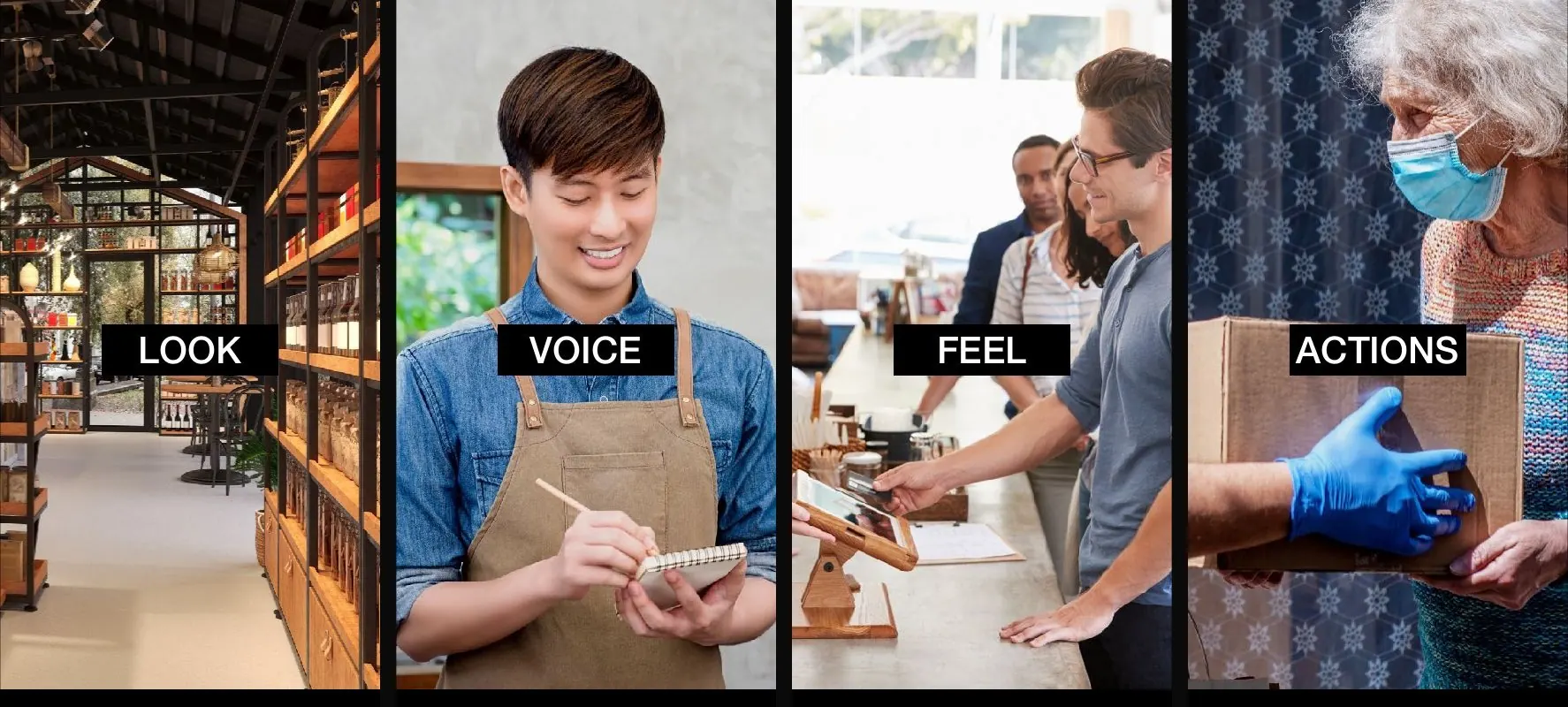
A café can print beautiful cups and still lose its reputation over one rude barista. People judge the whole experience, not the logo on the cup.
Brand vs. branding vs. brand identity: what's the difference?
The words get mixed up all the time. Here is how they fit together:
| Term | What it means | Who owns it |
|---|---|---|
| Brand | The reputation itself: what people feel and say about you. | Your audience |
| Branding | The ongoing work of shaping that reputation through what you make, say and do. | You |
| Brand identity | The toolkit people recognise you by: name, logo, colours, type, tone of voice. | You |
| Brand strategy | The plan that decides what you stand for, who you serve and how you are different. | You and your team |
In short: strategy decides, identity makes it visible, branding applies it consistently, and the brand is the result in people's minds.
Is a logo the same as a brand?
No. A logo is not communication. It is identification. Its job is to be recognised, quickly and anywhere. The designer Sagi Haviv sums up a good logo in three rules: be distinctive, be appropriate and be simple. The feeling behind the logo comes from everything else you do.
Some of Apple's newer stores barely show a logo on the facade. They don't need one: the brand is strong enough to be recognised without it.
What branding is not: marketing, advertising, PR and design
Marty Neumeier's well-known comparison in The Brand Gap boils the difference down to one question: who is doing the talking?

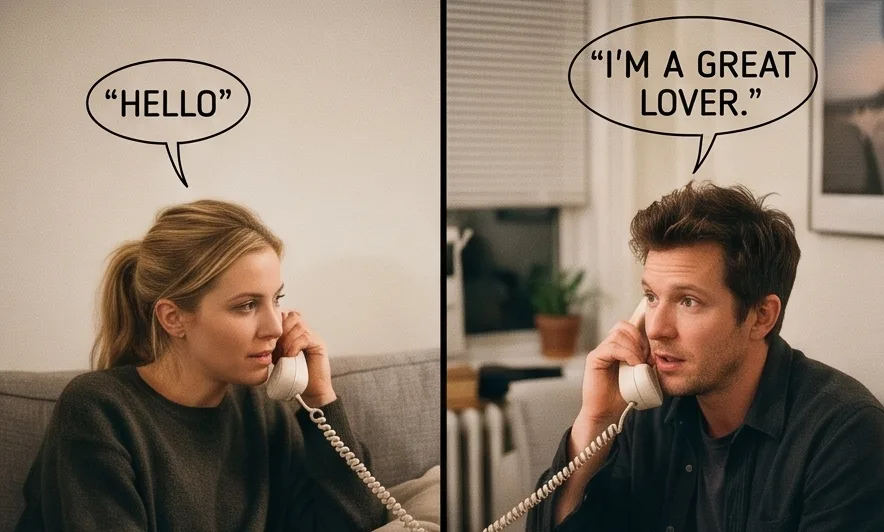

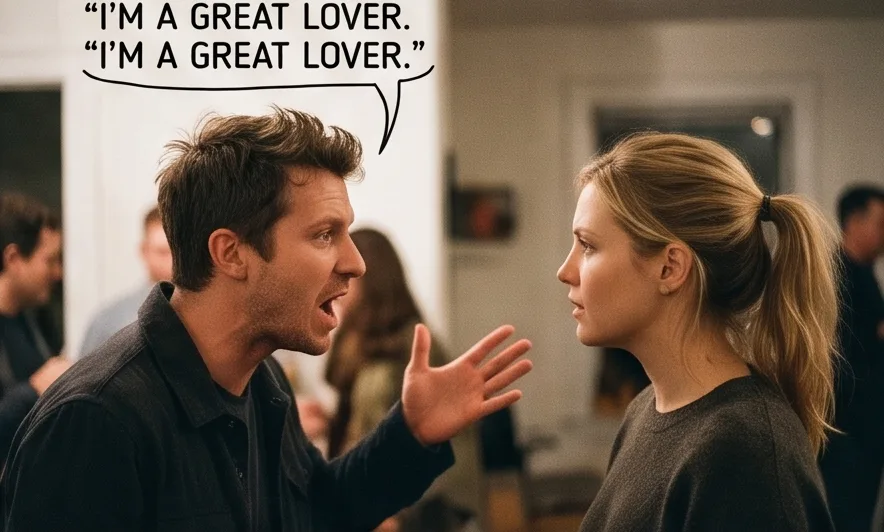

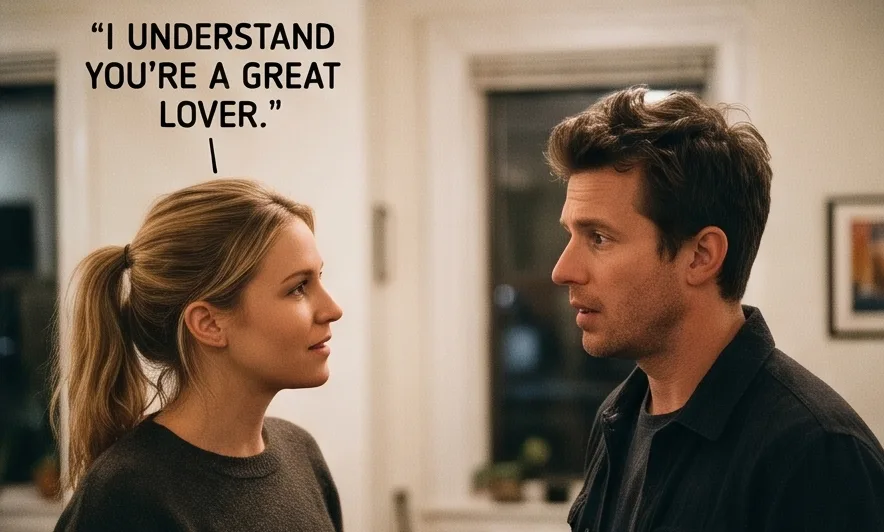
Adapted from Marty Neumeier's comparison in The Brand Gap.
Branding is what happens when other people say it for you. That is why branding speaks to the heart and marketing speaks to the mind. Branding makes people feel something. Marketing makes people do something, and makes sure the right people hear about you.
The concert example
A famous artist is coming to town. A billboard announcing it is advertising. The same message done creatively is promotion. A booth sharing the event details is sales. The plan tying them together is the marketing strategy. The reason thousands of people queue for this artist and not another one is the brand.
Brand vs. business: why branding matters
People choose a business with their head and a brand with their heart. A business makes a functional case: price, features, location. A brand gives people an emotional reason to choose it, even when a cheaper option is next door.
| A brand… | A business… |
|---|---|
| has a loyal following | has customers |
| evokes a feeling | looks for sales |
| goes beyond the status quo of its industry | tries to hit industry standards |
| adds more to what it sells | focuses on what it sells |
| is unique | is part of a specific industry |
| doesn't need to prove its value | needs marketing to show its value |
| doesn't compete on price | has to compete on price |
A quick reality check: are you competing on price and services, or do you have an emotional advantage that makes clients choose you over your competitors?
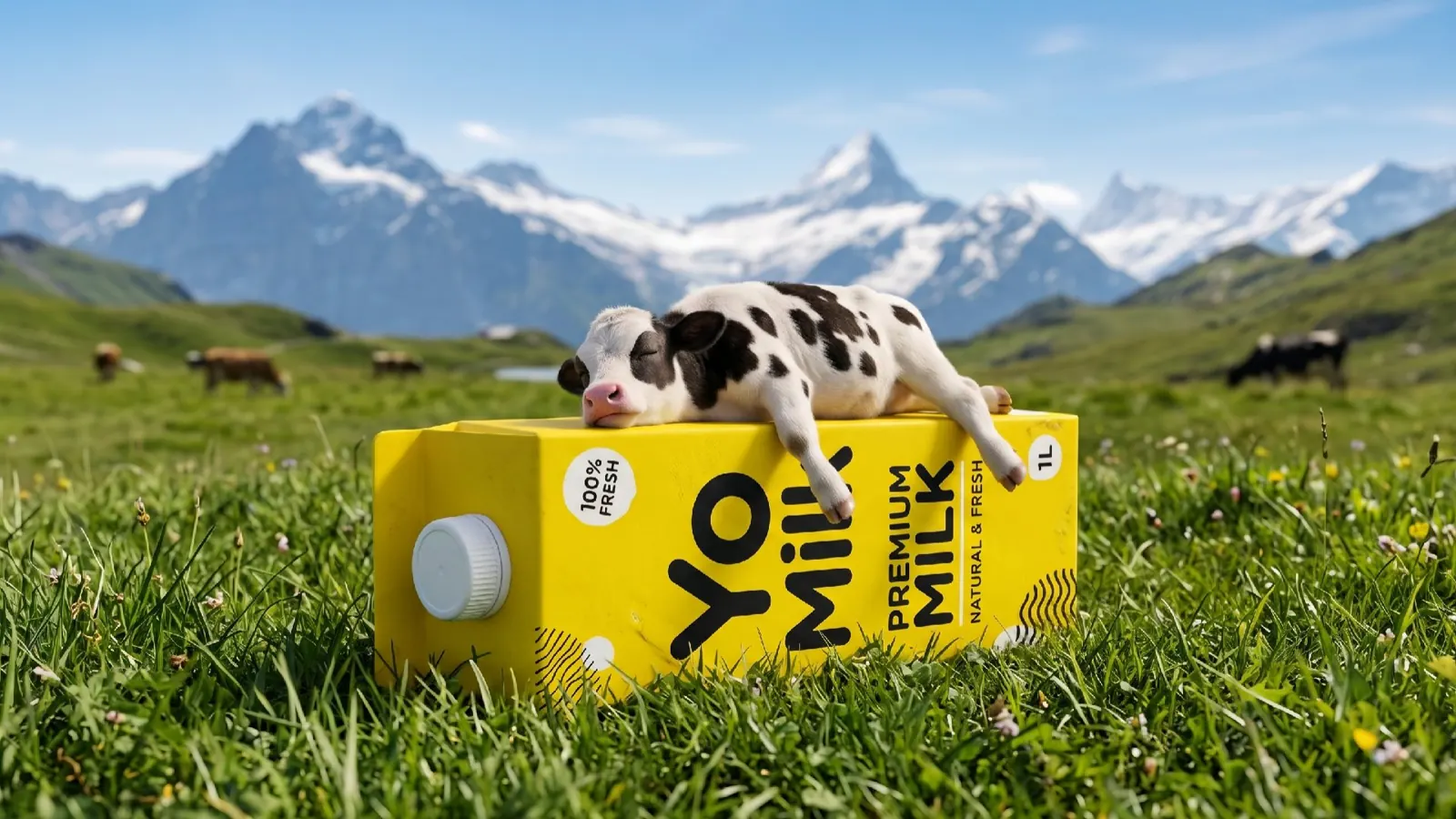
A business becomes a brand when it uses its core beliefs to go beyond its first offer. LEGO started with plastic bricks and grew into films, games and collaborations, because people buy into what LEGO stands for, not only the bricks. And when times are tough, a strong brand works like an extra layer of insurance: people stay with the names they trust.
What does a brand strategy include?
How do you make someone feel something? Through consistency. A brand strategy keeps everyone, from founders to freelancers to the AI tools you now use, saying and doing the same thing, so your position in the market grows instead of drifting. A basic brand strategy covers:
- Why we exist: purpose and beliefs
- Who we serve: the audience and what they need
- Positioning statement: where we sit in the market
- Competitive landscape and key differentiators
- Core messaging and key benefits
- Naming and how we talk about ourselves
Brand strategy connects logic to emotion, insight to impact, and the experience to the service.
For a deeper, startup-focused guide with more exercises, read Branding beyond the logo. For standing out in a crowded field, see Positioning your expertise.
How to start: a 15-minute branding exercise
You can do this today, alone or with your team:
- Start with why. Simon Sinek's Golden Circle asks why you exist, how you do it and what you offer. Most companies start with what. Start with why.
- Ask "why?" five times. Take your first answer and ask why again, five times. The last answer is usually the real one.
- Write your onliness statement. "Our [offering] is the only [category] that [benefit]." If you can't fill it in, you don't have a position yet.
- Pick one word. Coca-Cola has spent decades tying its name to happiness. Which single word should people think of when they hear yours?
How should a startup approach branding?
Product first, then brand. A logo will not save an offer nobody wants. The order that works:
- Create an offer that is too good to decline.
- Understand how you're different and the true purpose you serve.
- Prove the concept with real customers.
- Step back and connect your values and beliefs to your business plan.
Then build the brand on that base. It's a marathon, not a sprint.
Can a country have a brand?
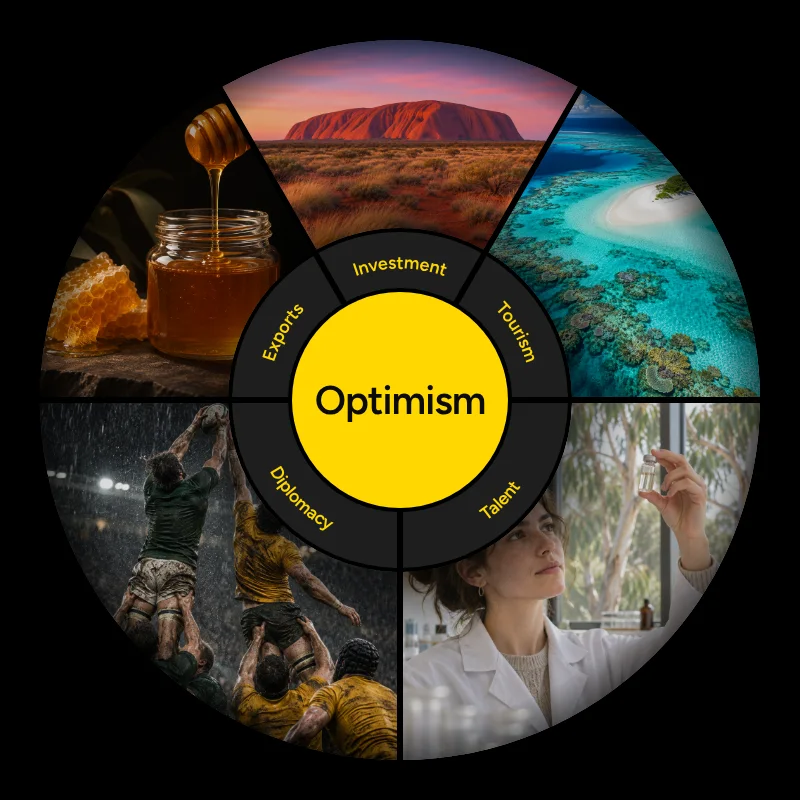
Yes. Nation branding applies the same rules at the largest scale, an idea usually credited to the policy adviser Simon Anholt. Australia is a good example. Working with Bloom Consulting, Austrade, the government's trade and investment agency, chose optimism as the country's central idea and launched the nation brand in 2022.
That one idea now guides decisions across tourism, investment, exports, talent and diplomacy. Each tells the same story in its own way, so the reputation builds on itself.
For a country like Oman, with its own landscapes, craft and stories, the opportunity is the same as for any company: decide the one idea, then say it consistently, everywhere.
To go deeper, watch José Filipe Torres talk about nation branding at Harvard University. Torres is the CEO of Bloom Consulting, the firm behind Australia's nation brand, which specialises in nation and city branding and publishes the Country Brand Ranking.
The one thing to take away
If you don't do it, others will do it for you. People will form an opinion about your company either way. Branding is how you shape that opinion, consistently, until other people start telling your story for you.
Wondering how this changes now that anyone can generate content with AI? Read our notes from the talk the day before: Taste over tools.
Branding: common questions
What is branding in simple terms?
Branding is shaping what people feel and say about you. Your brand is your reputation, and branding is the consistent work of earning the reputation you want through how you look, sound, make people feel and act.
What is the difference between branding and marketing?
Branding decides who you are and makes people feel something. Marketing makes people take action and makes sure the right people hear about you. Marketing is what you say about yourself. Branding is what other people say about you.
What is the difference between a brand and brand identity?
The brand is the reputation in people's minds. Brand identity is the toolkit that helps people recognise you: name, logo, colours, typography and tone of voice. Identity supports the brand but is not the brand.
Is a logo the same as a brand?
No. A logo identifies you. The brand is the feeling and reputation behind it. Good logos are distinctive, appropriate and simple, but the meaning comes from everything the company does.
What are the main elements of branding?
Strategy (purpose, audience, positioning, messaging), identity (name, logo, colours, type, voice) and experience (how every interaction feels). Consistency across all three is what builds a brand.
Why is branding important for small businesses and startups?
A brand lets you compete on more than price, builds loyalty and acts as insurance in hard times. Startups should prove the product first, then connect their values to the business and brand it consistently.
What is an example of nation branding?
Australia. Working with Bloom Consulting, Austrade chose optimism as the country's central idea and launched its nation brand in 2022. That one idea guides how Australia presents itself across tourism, investment, exports, talent and diplomacy.
How long does it take to build a brand?
There is no shortcut. A reputation forms through many consistent experiences over time. Generating more content faster, including with AI, does not speed it up if the experience behind it is inconsistent.
Sources and further reading
- Marty Neumeier, The Brand Gap and Zag (brand definition and the onliness statement)
- Simon Sinek, Start With Why (the Golden Circle)
- Sagi Haviv, The 3 rules of good logo design
- Simon Anholt, writing on nation branding and competitive identity
- Your AI Film Toolkit, MAIFF workshop in partnership with Google DeepMind, with Paige Bailey
- Bloom Consulting, Austrade: Australia's nation brand (case study)
- Bloom Consulting, José Filipe Torres on nation branding at Harvard University (video) and bloom-consulting.com
Want the next one in your inbox? Subscribe for future updates.